

Dodatkowy Egzamin Ósmoklasisty 2025 – czerwiec
Interaktywny arkusz przygotowany przez Little Explorers sp. z o.o. na podstawie oryginalnych arkuszy CKE opublikowanych na arkusze.pl. Treść zadań należy do CKE – wykorzystana wyłącznie w celach edukacyjnych.
Witaj w interaktywnym arkuszu!
Rozwiąż 14 zadań egzaminu ósmoklasisty z angielskiego (czerwiec 2025).
© Little Explorers sp. z o.o. – warstwa interaktywna. Treść zadań: CKE.
Po ukończeniu egzaminu tu zobaczysz wynik z zadań 1-13
© Little Explorers sp. z o.o. – warstwa interaktywna. Treść zadań: CKE.
Usłyszysz dwukrotnie pięć tekstów. W zadaniach 1.1.–1.5., na podstawie informacji zawartych w nagraniu, z podanych odpowiedzi wybierz właściwą. Zakreśl jedną z liter: A, B albo C.
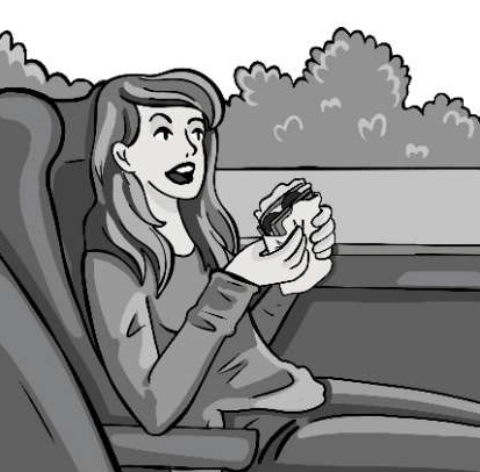


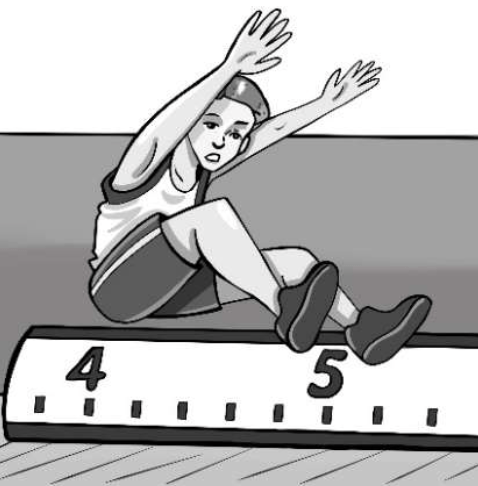
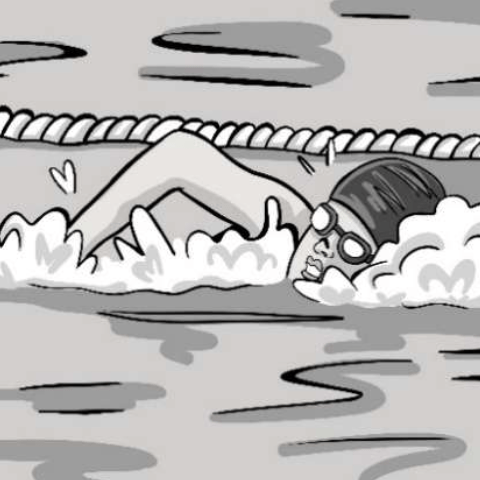
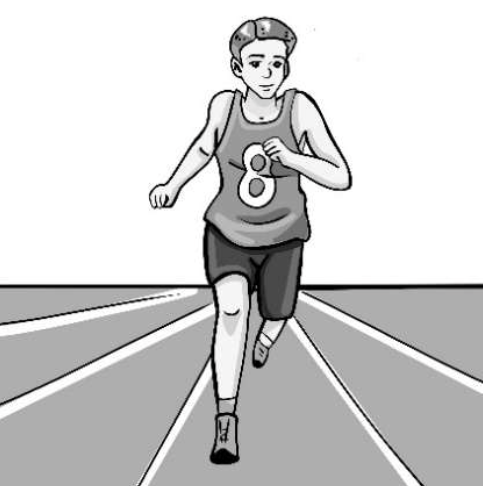



Usłyszysz dwukrotnie cztery wypowiedzi na temat słuchania muzyki. Na podstawie informacji zawartych w nagraniu dopasuj do każdej wypowiedzi (2.1.–2.4.) odpowiadające jej zdanie (A–E). Wpisz rozwiązania do tabeli. Uwaga! Jedno zdanie zostało podane dodatkowo i nie pasuje do żadnej wypowiedzi.
Usłyszysz dwukrotnie cztery wypowiedzi związane ze zmianą miejsca zamieszkania (3.1.–3.4.). Do każdej z nich dobierz właściwą reakcję (A–E). Wpisz rozwiązania do tabeli. Uwaga! Jedna reakcja została podana dodatkowo i nie pasuje do żadnej wypowiedzi.
Usłyszysz dwukrotnie wywiad o niezwykłej podróży. Na podstawie informacji zawartych w nagraniu uzupełnij luki 4.1.–4.3. w notatce, tak aby jak najbardziej precyzyjnie oddać sens wysłuchanego tekstu. Luki należy uzupełnić w języku angielskim.
FROM MEXICO TO CANADA ON FOOT
Dla każdej z opisanych sytuacji (5.1.–5.4.) wybierz właściwą reakcję. Zakreśl jedną z liter: A, B albo C.
Uzupełnij dialog. Wpisz w każdą lukę (6.1.–6.2.) brakujący fragment wypowiedzi, tak aby otrzymać spójny i logiczny tekst. Wykorzystaj wyrazy podane w nawiasie, ale nie zmieniaj ich formy. Luki należy uzupełnić w języku angielskim. Uwaga! W każdą lukę możesz wpisać maksymalnie cztery wyrazy, wliczając w to wyraz już podany.
Dialog
Przeczytaj teksty. W zadaniach 7.1.–7.4. z podanych odpowiedzi wybierz właściwą, zgodną z treścią tekstu. Zakreśl jedną z liter: A, B albo C.
Dear Students!
Please come and get your jackets, T-shirts, backpacks and lunchboxes from the secretary’s office.
Any items remaining after Thursday, 15 June, will be given away to a charity shop.
Before taking the test you may go back to the previous page to select lessons you want to watch again.
The test takes about 30 minutes to complete. Good luck!
NEXT
From: Ann
To: Gina
Subject: I’m back!
Hi Gina, I’m back home. The student exchange was great. I’m glad I listened to your advice and decided to go to Italy. The students and teachers really made me feel at home. Also, the weather in Italy is much better than in England. The food cooked by my host family was delicious, but I kept dreaming about my mum’s shepherd’s pie. She made it for me yesterday! Yummy!!!
See you at school tomorrow,
Ann
What kind of music do you think cheese likes? The answer is hip-hop! A traditional cheese producer from Holland put nine blocks of cheese into separate rooms and played recordings of a different kind of music in each room for eight months. Then professional cheese tasters were invited to try a piece of each block of cheese. They said the cheese that “had listened” to hip-hop music tasted the best. The cheese producer now believes that sound waves can change the taste of cheese.
Przeczytaj tekst, z którego usunięto trzy zdania. Wpisz w każdą lukę (8.1.–8.3.) literę, którą oznaczono brakujące zdanie (A–D), tak aby otrzymać spójny i logiczny tekst. Uwaga! Jedno zdanie zostało podane dodatkowo i nie pasuje do żadnej luki.
A DOG CALLED BEAR
There are different kinds of superheroes. Some of them even have tails! On October 11, 2021, a dog called Bear received the “Animal of the Year” Award for his work between November 2019 and April 2020. They were in danger because of fires which destroyed forests in the south west of Australia.
Bear is a five-year old Australian Koolie dog. That is why they started looking for a place where he would be happy. One day they took him to the Koala Conservation Centre. The people who worked there immediately knew that Bear would be a perfect rescue dog. He could smell koalas from a long distance. This friendliness to koalas made him an ideal candidate for training. The brave dog found and saved more than 100 koalas in the fire-damaged Australian forests.
Przeczytaj trzy teksty (A–C) na temat hobby trzech brytyjskich królów oraz zdania 9.1.–9.4. Do każdego zdania dopasuj właściwy tekst. Wpisz rozwiązania do tabeli. Uwaga! Jeden z tekstów pasuje do dwóch zdań.
Henry VII
Henry VII loved playing tennis. He had six tennis courts built across the country. He played the game regularly. In his later years, when he couldn’t play anymore, he continued to watch tennis matches. Because of the king’s interest, it became a sport which was loved by the whole royal family. For example, his son, Henry VIII, played tennis from childhood. The British Royal Family’s interest in tennis has continued to the present day.
George V
George V’s main passion was stamp collecting. The most unusual thing about George’s hobby was how many stamps he managed to collect during his lifetime: the collection is made up of 328 albums containing nearly 20,000 pages of stamps. The king’s enthusiasm for stamp collecting wasn’t shared by many of his relatives, but his son George VI developed his father’s collection. It is now known as the Royal Philatelic Collection and is kept at St James’s Palace in London. The stamps are often put on display at international stamp exhibitions.
Edward VIII
Edward VIII was a great fan of flying. He was the first member of the royal family to fly himself to a public event and have his own pilot’s license. When Edward was still a prince, his father, King George V, tried to stop him from flying because he was afraid that Edward would die in an accident. But Edward loved flying so much that he refused to give up his hobby.
Przeczytaj teksty 1. i 2. Uzupełnij w e-mailu Kasi luki 10.1.–10.3. zgodnie z treścią tekstów, tak aby jak najbardziej precyzyjnie oddać sens podanych informacji. Luki należy uzupełnić w języku polskim.
Ready to enjoy your warm drinks more than ever? Create personalised mugs with a special message and a favourite photo. Our mugs come in three different colours: blue, red and yellow. There’s also a colour changing option: a black mug which changes into a red one with golden hearts inside when warm liquid is poured in.
To start creating your mug, explore the options offered by our design creator. Once you’ve found a design you like, make it yours by adding your photos and other graphic elements. If you don’t have time or ideas, you can just choose one of our ready-made designs and tell us what you want us to write on the mug. We’ll do the rest and create a present that will always look great!
Personalised mug − User Reviews (4.9/5)
⭐⭐⭐⭐⭐
Jessica: I’ve just bought another personalised mug. The final product is exactly what I wanted. The online design creator is easy to use. This is the sixth time I have bought one of these. The quality is great and they are packed so well that they never arrive broken. You can also wash them in a dishwasher and they still look as good as new. I definitely recommend them.
Od: Kasia
Do: Zuzia
Temat: Prezent dla Kamili
Cześć Zuziu!
Wpadłam na pomysł, co kupić Kamili na urodziny. Trafiłam na stronę internetową, która oferuje kubki z nadrukiem. Można wybrać jeden z trzech kolorów, ale mają też całe czarne, które po wlaniu gorącego napoju zmieniają kolor na czerwony i pojawiają się . Super, prawda? Możesz sobie oczywiście zaprojektować nadruk za pomocą specjalnego kreatora, dostępnego na stronie. Po prostu wybierasz szablon, dodajesz wybrane elementy i gotowe! Ale jak nie chcesz tego robić, możesz użyć gotowego wzoru i tylko dodać do niego .
Kreator jest prosty w użyciu, i co ważne, czytałam w opinii jednego z użytkowników, że kubki się nie niszczą, nawet jeśli . Co o tym myślisz? Dobry prezent dla Kamili?
Kasia
Przeczytaj tekst. Spośród wyrazów podanych w ramce wybierz te, które są poprawnym uzupełnieniem luk 11.1.–11.3. Wpisz odpowiednią literę (A–F) obok numeru każdej luki. Uwaga! Trzy wyrazy zostały podane dodatkowo i nie pasują do żadnej luki.
WHY DO FLAMINGOS STAND ON ONE LEG?
No, they are not practising yoga! The birds stand like that for 11.1. hours each day, especially when sleeping or enjoying a midday rest. But why do flamingos do that? Even for experts, this hasn’t been an easy question to answer. One explanation now seems the most probable. Many scientists believe that the 11.2. why flamingos do this is simple: they don’t want to get tired. Believe it or not, flamingos use less energy on one leg 11.3. they do on two. This is because their legs have a special “mechanism” which helps their muscles rest while standing on one leg. That is a bit hard to imagine for a human, isn’t it?Przeczytaj tekst. Wybierz poprawne uzupełnienie luk 12.1.–12.3. Zakreśl jedną z liter: A, B albo C.
A group of scientists have created a robot called Flippy. It works at a fast food restaurant in California, 12.1. it prepares French fries. The robot was tested for a few months in laboratory conditions. The results of the experiment were so positive that Flippy started work in a real restaurant. Flippy is 12.2. by cameras and a special computer program. The robot can do three tasks: it takes French fries out of the freezer, puts them into hot oil and finally places them into a tray. Flippy does it much faster than a human worker. The robot will definitely speed up service but not all fast food restaurant workers like the idea. They are simply afraid 12.3. losing their jobs.
Wykorzystując wyrazy podane WIELKIMI literami, uzupełnij każde zdanie z luką, tak aby zachować sens zdania wyjściowego (13.1.–13.3.). Wymagana jest pełna poprawność ortograficzna i gramatyczna wpisywanych fragmentów zdań. Uwaga! Nie zmieniaj formy podanych wyrazów. W każdą lukę możesz wpisać maksymalnie cztery wyrazy, wliczając w to wyraz już podany.
HAVE
Slow down, we hurry.
NAME
My is Sandra.
WELL
My best friend, Mark, can .
• opisz, jak powitaliście tego ucznia w Waszej klasie
• napisz, jaki problem w szkole napotkał nowy kolega i jak pomogliście mu go rozwiązać
• poinformuj, jakie macie wspólne plany na najbliższy weekend.
Napisz swoją wypowiedź w języku angielskim. Podpisz się jako XYZ.
Rozwiń swoją wypowiedź w każdym z trzech podpunktów, tak aby osoba nieznająca polecenia w języku polskim uzyskała wszystkie wskazane w nim informacje. Pamiętaj, że długość wypowiedzi powinna wynosić od 50 do 120 słów (nie licząc wyrazów podanych na początku wypowiedzi).
To zadanie nie jest sprawdzane automatycznie.
CZYSTOPIS
Do: olivia@abc.com
Temat: Hi!
Hi Olivia,
Guess what! We have a new student in our class.
Liczba słów: 0 (wymagane 50–120)
XYZ